📚 Party Ideas & Guides
Game histories, real rules, question lists and party plans — every guide links straight to a game you can play free.
 ✨ Latest guide
Kids Party Games: Indoor, Birthday & Classroom Ideas by Age
Discover 47 fun and free kids party games for birthdays, classrooms, and indoor gatherings with no sign-up needed. Perfect for all ages!
🏺Game histories & how to play
Where each party game really comes from, the exact rules, and the screen that runs it for you.
 🧠 Memory Match
Memory Match (Concentration): History and Rules
The pairs game has as many names as countries — Concentration, Pelmanism, Pexeso, Memory. Where the names come from, the rules, why it is good for children and adults, and strategies that really improve your score.
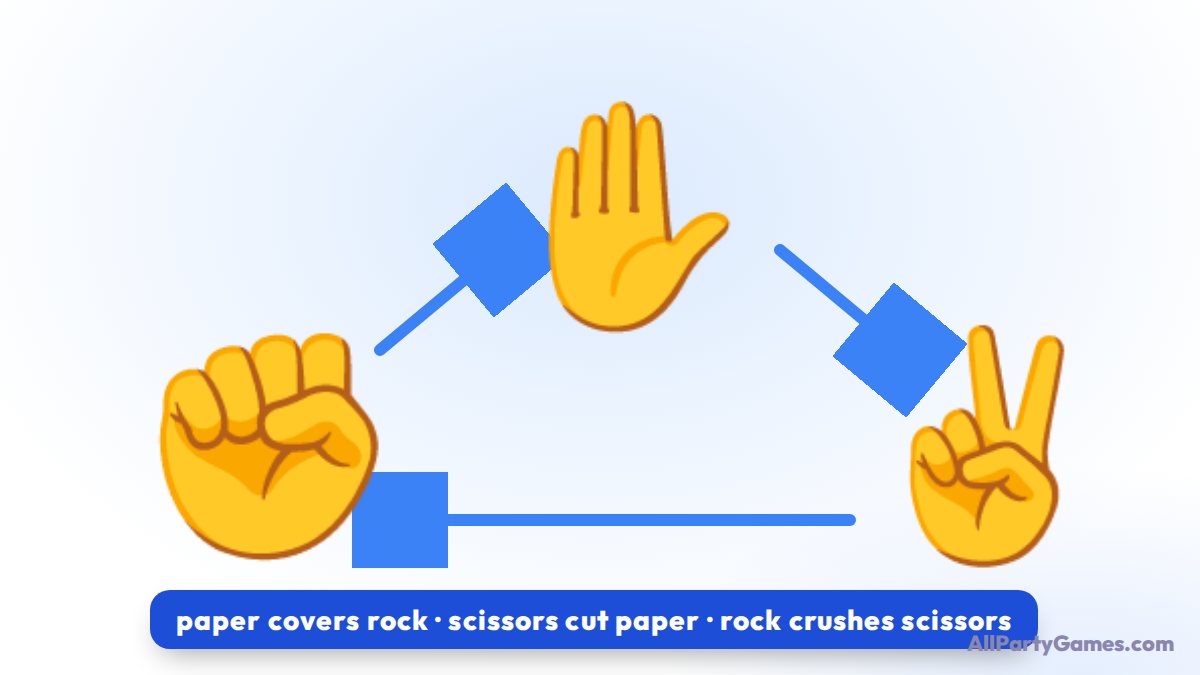 ✌️ RPS
Rock Paper Scissors: History and Strategy
Rock paper scissors was described in a Ming-dynasty book as dating from the Han dynasty, became jan-ken in Japan and reached the West in the 1920s. The history, the rules, why it is fair, and the psychology that helps you win.
 🎟️ Tambola
Bingo, Tambola and Housie: A Short History
Bingo descends from Il Gioco del Lotto d'Italia (about 1530), became Le Lotto in French salons, a schoolroom teaching aid in Germany, "Housey-Housey" in Britain and Tambola in India. The history, the rules, the calls and how to run a game from a phone.
 🐴 Pin the Tail
Pin the Tail on the Donkey: History and Rules
"Donkey parties" swept the United States from Milwaukee in the winter of 1886–87, and a Philadelphia printer copyrighted the first paper version in 1887. The history, the rules, safe variations and a screen version with no pins.
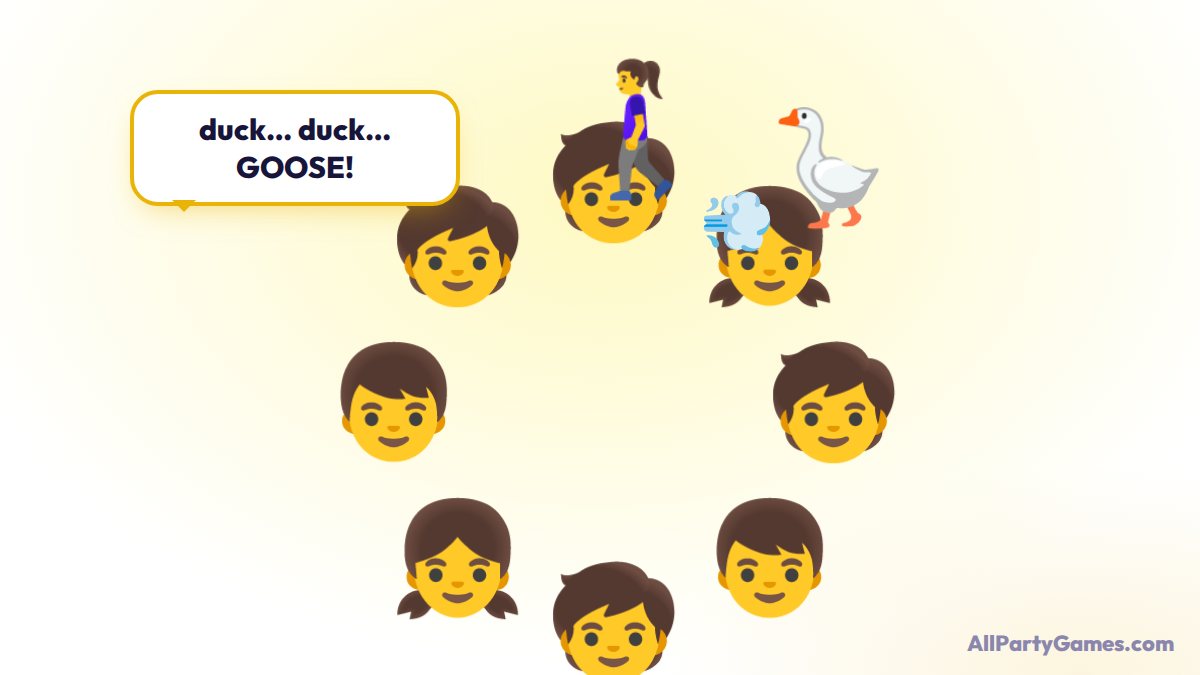 🦆 Duck Duck Goose
Duck Duck Goose Origin & History — Rules, Gray Duck
When was Duck Duck Goose invented? A folklorist recorded it in 1894. The origin, the Minnesota "Gray Duck" version and the rules.
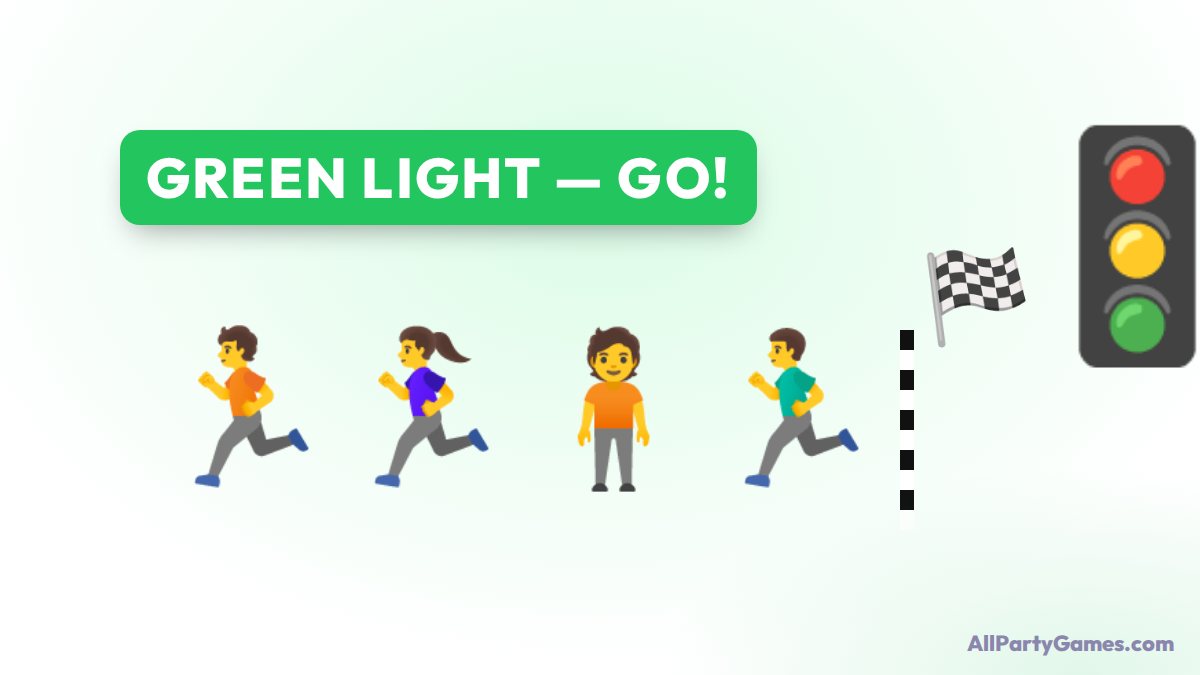 🚦 Red Light Green Light
Red Light, Green Light: History and Rules
Grandmother's Footsteps in Britain, Un, deux, trois, soleil in France, Daruma-san ga koronda in Japan, Mugunghwa kkochi pieotseumnida in Korea: the same game everywhere. The rules, the world names, and how to run it from a phone.
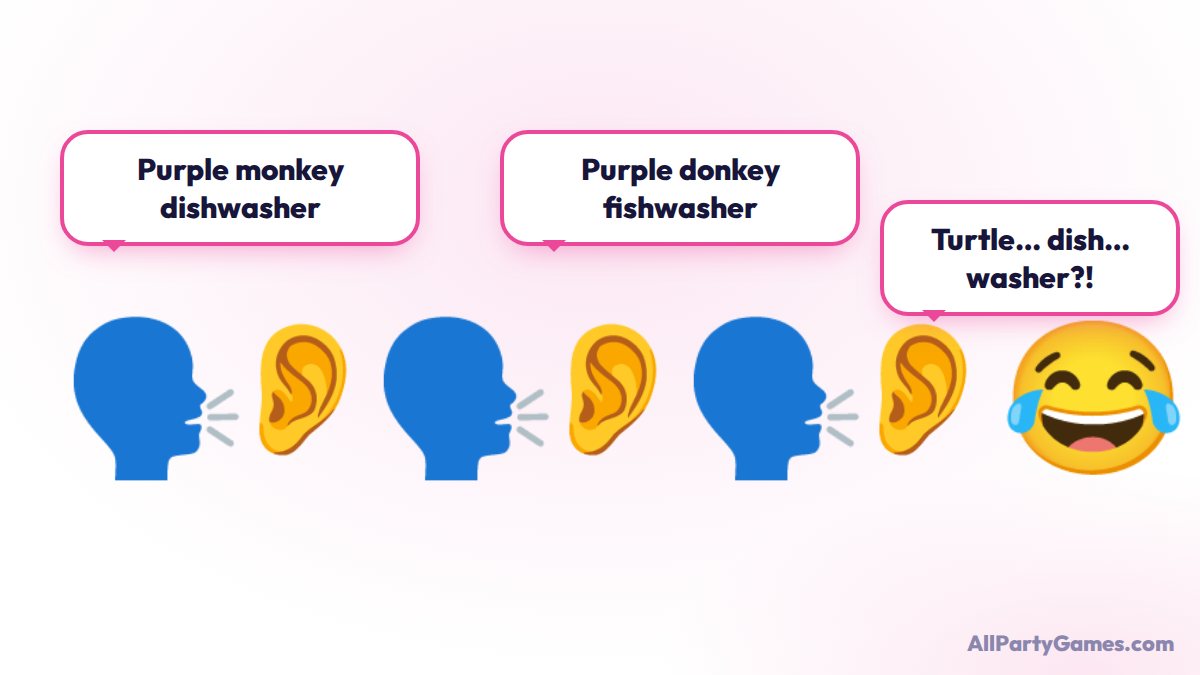 📞 Telephone
Telephone Game: History, Rules and Sentences
Telephone, Chinese whispers, Stille Post, teléfono descompuesto — the whispering game has a name in every language. Where it comes from, why messages mutate, how to play it and 40 sentences that garble beautifully.
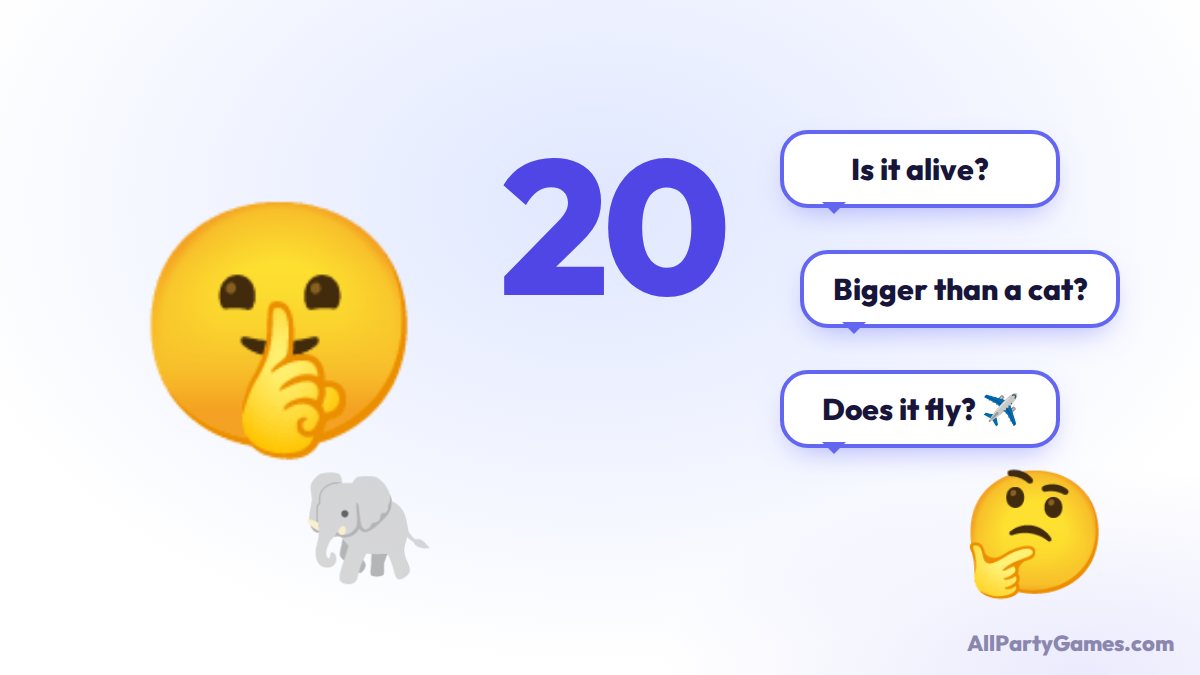 ❓ 20 Questions
20 Questions: History, Rules and Strategy
Twenty Questions was being taught at London dinner parties in 1786 and became a radio sensation in 1946. The history, the "animal, vegetable or mineral" rule, why twenty questions can find one of a million things, and how to play well.
 🤔 WYR
🤔 WYRWould You Rather: History, Rules and How to Host It
Would You Rather has no inventor and no equipment — just a dilemma and an argument. How the game grew from parlour questions to podcasts and TV, how to play it with a vote, and how to host it well.
 😈 Truth or Dare
Truth or Dare: History, Rules and Hosting Tips
Truth or Dare descends from "Questions and Commands", a Christmas game recorded in 1712, and possibly from an ancient Greek game of kings. The history, the rules, forfeits, kid-safe and couples versions.
 🎨 Pictionary
Pictionary: History, Rules and Word Ideas
Robert Angel sketched the idea for Pictionary in 1981 and published it in 1985 with $35,000 and a print run of 1,000 copies. The story, the rules, what counts as cheating and 100 words to draw.
 🎭 Charades
Charades: History, Rules and Hand Signals
Charades began as a literary riddle in 18th-century France, became an acted parlour game in the 19th century and appears in Vanity Fair and Jane Eyre. The history, the standard hand signals, the rules and a hosting guide.
 🕺 Freeze Dance
Freeze Dance (Musical Statues): Rules and 20 Ideas
Freeze Dance — musical statues in Britain, "estátua" in Brazil — is the easiest party game there is. What it is, the rules, how to judge fairly, music ideas and variations for toddlers to adults.
 🥔 Hot Potato
Hot Potato: History, Rules and Variations
The first recorded hot potato was a lit candle passed round a Sheffield circle in 1888. Where the game comes from, how to play it, safe "penalty" versions for kids and how to run it from a phone.
 🎤 Antakshari
Antakshari Meaning, Rules & History (in English)
Antakshari means "the last letter" in Sanskrit. What the name means in English, how the song-chain game works, scoring and hosting tips.
 🔍 Scavenger Hunt
Scavenger Hunts: History, Rules and 60 Ideas
Scavenger hunts were popularised by New York socialite Elsa Maxwell in the early 1930s. The history, how they differ from treasure hunts, rules that work, and item ideas for indoor, outdoor, classroom, birthday and photo hunts.
 🤪 Guess the Word
Guess the Word (Forehead Game): Rules and Ideas
The phone-on-the-forehead guessing game explained: where it comes from, how the clue rules work, the best categories for kids, families and parties, and how to run timed rounds with scores.
 🕵️ Mafia
Mafia Game: History, Roles and Rules
Mafia was invented in 1987 by a psychology student at Moscow State University. Here is how it spread, how Werewolf was born in 1997, the roles, the complete night-and-day rules and how to host it without a moderator.
 🧑🏫 Simon Says
Simon Says Origin & History — Rules and 50 Commands
Where Simon Says comes from: it was already a known children's game in 1840s Boston. Its origin, how it spread, the rules and 50 commands.
 🪑 Musical Chairs
Musical Chairs: History, Rules and How to Play
Where musical chairs comes from, why Germans call it "Journey to Jerusalem", the exact rules, how many chairs you need and how to run it from a phone or TV.
❓Question lists & party plans
How to Add Free Games to Your Class Website or Google Site
Put a name picker, timer, quiz or word game directly on your class website — free, ad-free embeds with no student accounts. Step-by-step for Google Sites, blogs and school pages.
Random Name Picker in the Classroom: A Guide
Teachers explain why random name pickers raise participation, and how to set one up in under a minute with a saved class list, no-repeat mode and fullscreen.
Party Games for Large Groups — No Equipment
Party games that scale to 10, 20 or 50 people with nothing but a phone and a TV — with timings, rules and the tool that runs each one.
15 Icebreaker Games for Meetings
Quick, non-cringey icebreakers for team meetings, remote calls and workshops — each takes under five minutes and needs only a browser.
How to Run a Perfect Family Game Night (Step-by-Step)
A simple plan for a family game night that works for ages 5 to 95: which games to pick, how long to play, how to keep score and how to end on a high.
Rather just play?
Every guide above has a playable game — or let Party Mode build your whole game night in one tap.